Walking into a bustling retail shop, trade show booth, or local service counter and seeing a team dressed in crisp, unified clothing instantly builds trust with customers. Branded apparel turns employees into recognizable brand ambassadors while projecting an image of teamwork and polished organization. Beyond workplace uniforms, high-quality garments serve as walking advertisements that carry your company name across local grocery stores, community events, and busy sidewalks. However, navigating the details of a major bulk clothing purchase can quickly feel overwhelming if you have never handled large apparel runs before. Between picking proper fabrics, sorting through endless sizing curves, and comparing printing methods, simple decisions often turn into complicated logistics.
Planning your purchase thoughtfully ensures your investment delivers exceptional brand visibility without draining your annual marketing budget. When you rush through order details, you risk receiving scratchy fabrics nobody wants to wear or faded prints that peel after two cycles in a washing machine. According to Gitnux, 8.6% of global apparel e-commerce shoppers reported purchasing T-shirts specifically in the previous 12 months.
Sourcing durable custom shirts allows your company to capitalize on this enduring consumer love for comfortable daily wear while establishing an unmistakable visual identity. Taking a methodical approach to ordering clothing in bulk protects your company from common pitfalls like inventory shortages, distorted logos, and delayed event shipments. Exploring the essential steps of volume apparel procurement reveals how smart choices transform basic promotional garments into long-lasting business assets.
Defining Your Purpose and Primary Audience
Every successful apparel project begins with a clear understanding of who will wear the garments and where they will wear them most often. Outfitting an outdoor construction crew requires heavy-duty fabrics that resist tears and stains, whereas dressing indoor barista staff calls for lightweight, breathable cotton blends. Similarly, creating complimentary merchandise giveaways for an upcoming charity run demands a completely different approach than producing retail-ready garments intended for high-end client gifts.
Ordering a large run of custom shirts without identifying your end user often leads to wasted inventory and disappointed recipients. Consider the climate, activity level, and aesthetic preferences of the people wearing your clothing to select designs that feel natural and flattering. Understanding the daily environment of your audience ensures the finished products get worn consistently rather than ending up forgotten in the back of a dark closet.
Selecting Ideal Fabrics and Garment Blends
The tactile feel of a garment often determines whether an employee wears it with pride or reluctantly pulls it on just to meet workplace rules. One hundred percent ring-spun combed cotton provides a classic, ultra-soft feel that accepts vibrant ink beautifully, making it a reliable standard for casual corporate wear. Alternatively, polyester performance knits offer superior moisture-wicking and quick-drying capabilities, making them the preferred choice for physically demanding trades, landscaping teams, and sports events.
Investing in high-grade custom shirts made from durable cotton-poly blends gives your team the best balance of breathability, softness, and long-term durability. Blended textiles minimize shrinkage in hot dryers, resist stubborn wrinkles, and maintain their shape after dozens of rigorous wash cycles. Choosing comfortable materials guarantees that your team looks sharp, feels relaxed, and represents your business with genuine confidence throughout the workday.
Choosing Between Screen Printing and Embroidery
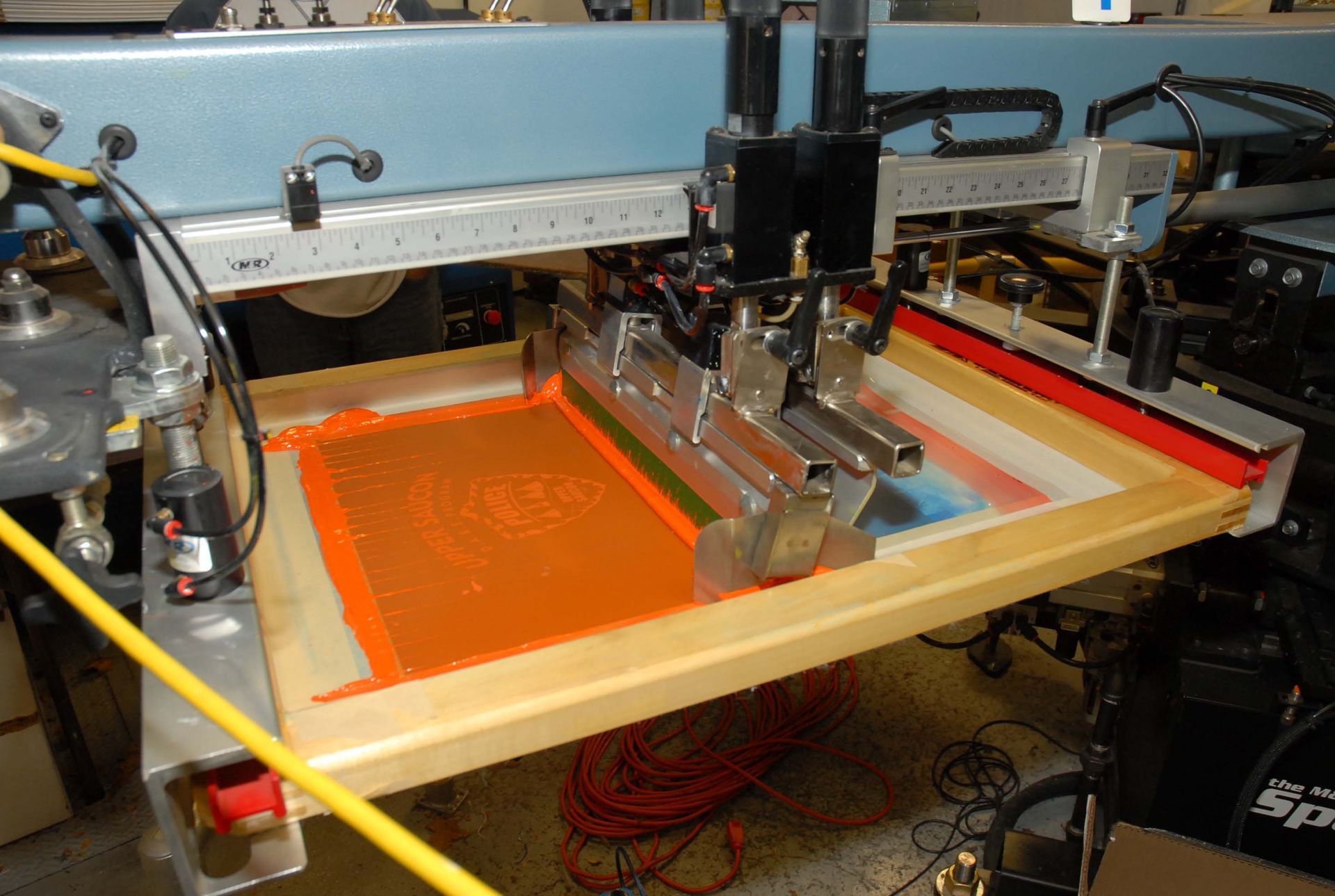
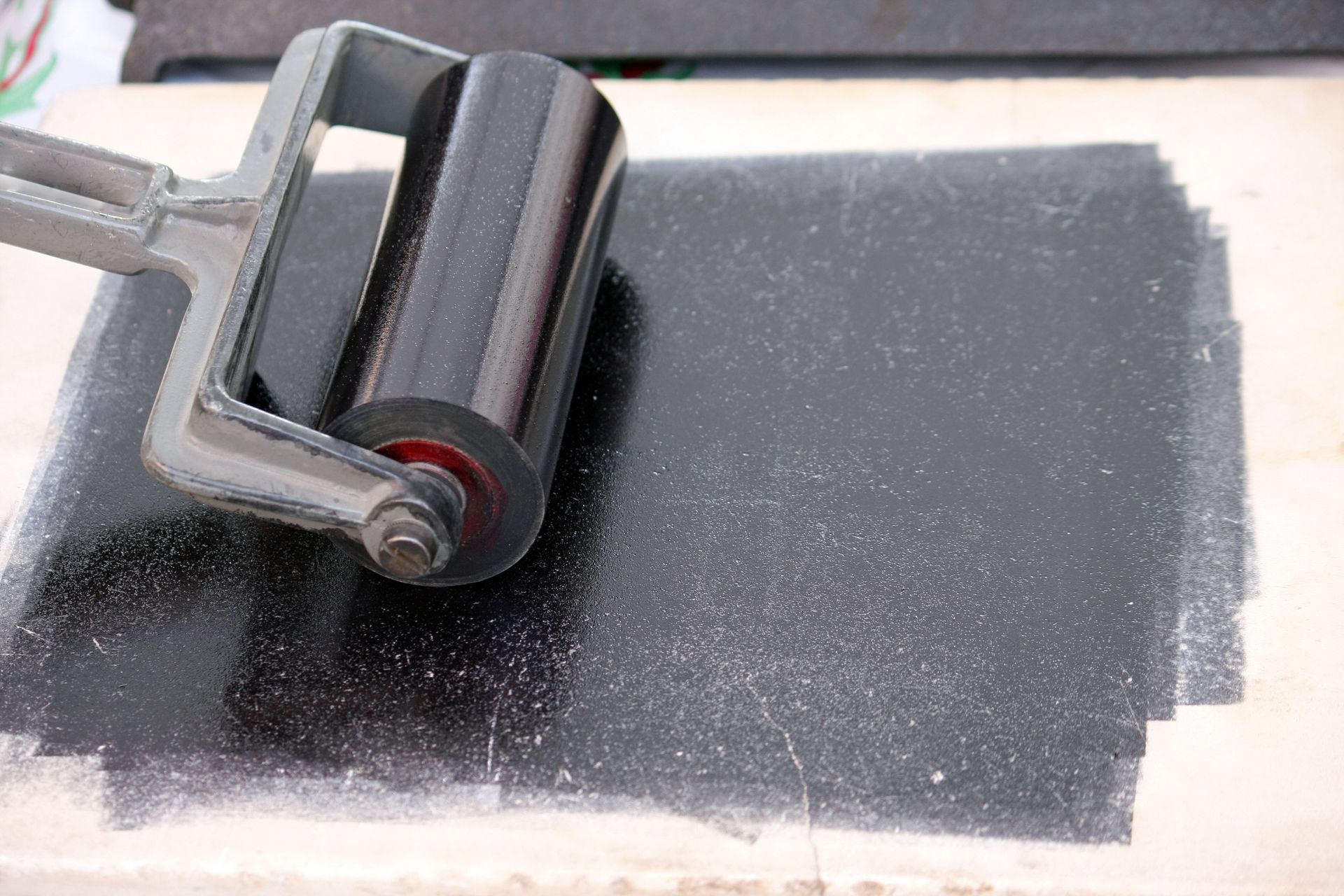
Selecting the right decorating technique depends heavily on your garment style, total quantity, and the visual complexity of your company artwork. Traditional screen printing remains the industry gold standard for large volume orders of cotton tops, offering bright, durable colors at an affordable price per unit. However, complex multi-color artwork or photographic designs often benefit from modern direct-to-film printing, which captures fine gradients and intricate details effortlessly.
Supplying your workforce with decorated custom shirts requires matching your branding style with the right decorative method. Crisp chest embroidery provides an elevated, executive appearance on collared polos, heavy canvas jackets, and fleece vests, whereas large vibrant screen prints excel on the backs of team crewnecks. Working through decoration options ensures your logo looks sharp, stays intact over time, and fits the overall aesthetic of your workplace culture.
Gathering Vector Art and Mastering Placement
Submitting low-resolution digital images or blurry website screenshots to an apparel printer invariably leads to pixelated, amateur results on finished fabric. Professional textile printing requires clean vector artwork, typically created in graphic design software and saved in scalable formats like AI, EPS, or high-resolution PDF. Vector files allow printers to resize your artwork to fit across tiny chest pockets or wide upper back panels without losing a single drop of sharpness.
Placing your graphics strategically across custom shirts balances bold brand visibility with stylish everyday wearability. While a massive center-chest logo works wonderfully for high-energy promotional giveaways, subtle left-chest prints paired with a clean sleeve graphic often look more professional for daily employee uniforms. Polishing your artwork and selecting tasteful graphic placements ensures your finished apparel commands attention while maintaining a sleek, modern presentation.
Planning Sizing Curves and Breakdown Ratios
One of the most frequent headaches in bulk ordering involves running out of popular sizes while ending up with boxes of unsold, extreme sizes. Simply dividing your total order quantity equally across small, medium, large, and extra-large leaves you with severe inventory imbalances. Standard adult populations generally follow a bell curve distribution, with medium, large, and extra-large sizes accounting for the overwhelming majority of total garment consumption.
Stocking adequate inventory of custom shirts requires reviewing past order histories or surveying your actual team members before submitting final counts. Factoring in unisex versus fitted cuts is equally important, as fitted styles typically run smaller and may require employees to order one size up for comfort. Establishing a well-calibrated size distribution prevents awkward shortages and ensures every team member receives a comfortable, well-fitting uniform on their first day.
Establishing Project Timelines and Production Windows
High-volume apparel production is an intricate manufacturing process involving garment sourcing, digital proofing, screen creation, ink mixing, printing, curing, and quality control. Expecting a massive bulk order to arrive on your doorstep within forty-eight hours without paying exorbitant rush fees is a recipe for missed deadlines. Supply chain hiccups, seasonal warehouse backlogs, and shipping delays can easily derail an upcoming product launch or charity fundraiser if schedules are cut too close.
Scheduling your production of custom shirts at least three to four weeks ahead of your firm event date gives your vendor ample time to execute flawless quality checks. Building an extra week of padding into your schedule accommodates unexpected shipping carrier delays and allows time for physical distribution to regional offices. Planning your production calendar early removes unnecessary panic, keeps stress low, and guarantees that your team looks uniform when your big event arrives.
Equipping your workforce with stylish, comfortable branded apparel represents one of the most reliable and cost-effective ways to strengthen team identity and elevate your market presence. High-quality garments bridge the gap between internal company pride and external customer perception, presenting your business as a polished, cohesive unit wherever your staff travels.
By carefully assessing fabric durability, selecting balanced sizing breakdowns, using clean vector graphics, and taking full advantage of tiered volume discounts, you turn a routine clothing purchase into an enduring promotional engine. Avoiding hasty decisions and focusing on long-term comfort ensures your clothing gets worn repeatedly, generating continuous visual exposure for your brand. When you are ready to streamline your next bulk order with exceptional printing quality, durable fabrics, and dependable delivery, team up with the apparel specialists at Shirt Stop to design your standout
custom shirts!