October 7, 2026
In the realm of promotional strategy, few tools possess the enduring versatility and personal connection of custom shirts. Long before modern brand strategists began analyzing audience engagement, apparel was already quietly establishing itself as a primary channel for nonverbal communication and organizational identity. What began as a purely functional layer of clothing eventually transformed into a canvas for political movements, corporate identity, and creative artistic expression. Understanding how custom shirts evolved alongside marketing history offers valuable perspective on why physical, wearable media continues to resonate in an increasingly digital world.
Tracing the Early Origins of Modern Wearable Media
The story of printed apparel begins with the fundamental human desire to signal community belonging and personal identity. During the early twentieth century, clothing was primarily manufactured for utility rather than brand promotion. Military uniforms, athletic jerseys, and industrial workwear were early examples of standardized attire designed to distinguish groups, yet these items rarely served a promotional function. The shift toward using garments as explicit advertising vehicles required two crucial developments: manufacturing advancements that made textiles widely affordable, and new printing methods capable of transferring detailed graphics directly onto fabric. These structural shifts paved the way for commercial organizations to reimagine ordinary garments as powerful communication platforms.
Pioneering Promotional Apparel in Entertainment Marketing
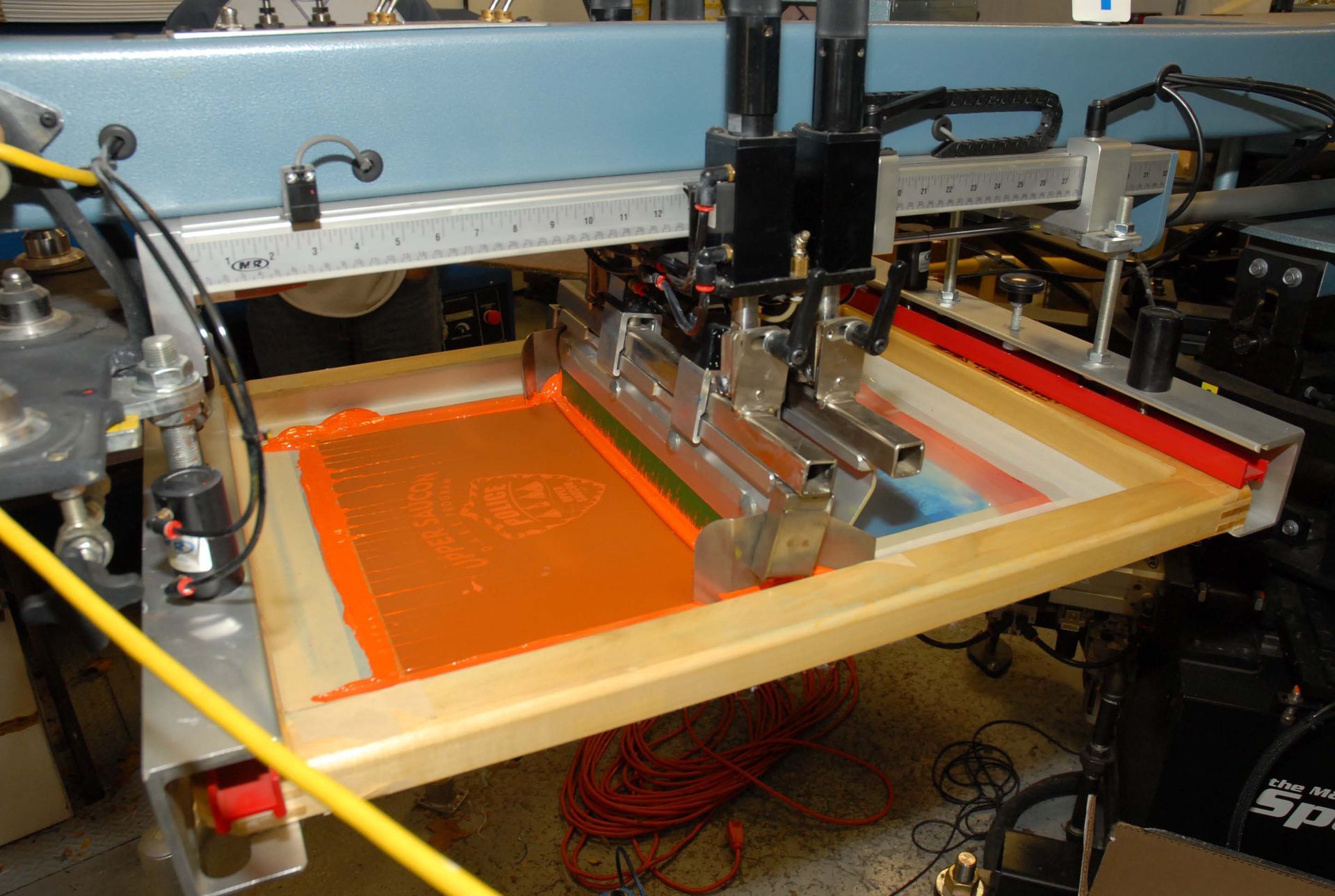
As screen printing technology developed during the late 1930s, visionary advertisers quickly recognized the potential of converting everyday garments into mobile advertisements. According to Domestika, the earliest recorded promotional T-shirt was created using screen printing methods to market the cinematic release of The Wizard of Oz in 1939. This groundbreaking campaign demonstrated that fans would gladly wear items featuring iconic graphics, transforming moviegoers into dynamic promoters. The novelty of the concept resonated deeply with audiences, laying the groundwork for how future entertainment properties, musical artists, and commercial brands would engage consumers outside traditional media channels. This pioneering campaign established a framework that continues to influence consumer merchandise strategies today.
Harnessing Subcultures and Political Messaging in Mid-Century Campaigns
By the middle of the twentieth century, wearable items shifted from novel studio promotional items into major cultural vehicles. The 1960s and 1970s marked a pivotal era where social movements, musical acts, and political campaigns integrated custom shirts into their core outreach strategies. Slogans and symbols printed on cotton provided a visible platform for individual expression, allowing wearers to publicly align themselves with specific ideologies or subcultures. Marketers took note of this psychological shift, observing that individuals did not view printed garments as intrusive advertising, but rather as authentic extensions of their own personal identity. This realization altered how commercial campaigns approached consumer engagement, shifting the emphasis toward organic lifestyle integration.
Expanding Corporate Identity and Merchandise in the Late Century
During the 1980s and 1990s, corporate entities fully integrated wearable items into internal and external branding efforts. Businesses recognized that unifying employees under a coherent visual standard helped build team cohesion while projecting professionalism to clients. At the same time, lifestyle brands began selling branded apparel directly to consumers, proving that audiences would pay for the privilege of representing a company logo. Custom shirts became staple giveaways at trade shows, community events, and corporate retreats, consistently delivering continuous impressions long after an event concluded. This era solidified printed garments as essential components of standard marketing toolkits across virtually every industry sector.
Analyzing the Modern Strategic Advantages of Printed Garments
In today's complex marketing ecosystem, physical promotional items provide a tactile anchor that digital impressions simply cannot replicate. While online advertisements are often ignored or dismissed after a brief view, wearable products maintain a lasting presence in everyday life. Analyzing why custom shirts maintain such high engagement reveals several distinct psychological and practical mechanisms.
Fostering Organic Brand Recognition through Everyday Mobility
The dynamic movement of wearable items creates organic exposure across diverse daily environments. When an employee or client wears a garment during casual errands, workplace commutes, or social gatherings, the brand enters spaces that traditional advertising media struggle to reach. This continuous mobility generates authentic, peer-to-peer visibility without feeling forced or overly sales-driven. Every environment becomes a potential touchpoint, expanding organizational reach naturally and continuously.
Creating Authentic Connections with Physical Touchpoints
Physical promotional products offer a tangible interaction that digital channels lack. Touch and daily utility establish a sense of familiarity, elevating a brand from a mere online presence to a meaningful part of daily routines. When combined with other cohesive branded collateral like tote bags, office supplies, drinkware, headwear, and tech items, wearable items complete a multi-touchpoint physical identity program that feels deliberate and high-quality. Integrating these varied physical mediums ensures that organizational branding remains visible across multiple daily contexts, reinforcing recognition through consistent physical interactions.
Leveraging Low Friction and High Long-Term Utility
Unlike digital ads that require ongoing ad spend to sustain visibility, physical promotional products deliver extended value long after initial distribution. The long shelf life of quality apparel ensures that a single item can generate thousands of subtle impressions across its lifespan. This enduring utility makes physical branding channels one of the most reliable methods for sustaining long-term awareness. Because recipients retain functional items for months or years, the initial promotional investment continues to deliver value over an extended operational horizon.
Integrating Apparel into Contemporary Multi-Channel Campaigns
Modern organizations rarely rely on a single medium to convey their message. Instead, successful marketing campaigns integrate online strategy with real-world touchpoints to build comprehensive brand experiences.
Complementing Digital Marketing Strategies with Physical Assets
Physical promotional items serve as real-world extensions of digital engagement. Companies frequently utilize custom shirts as high-value rewards for online contests, customer loyalty initiatives, or brand ambassador programs. When recipients share photos of their apparel on digital networks, the physical product loops back into the virtual space, generating user-generated content that authenticates the brand story. This symbiotic relationship between physical products and digital sharing bridges the gap between real-world interactions and virtual communities.
Supporting Uniform Corporate Branding Across Touchpoints
Consistency is essential for establishing strong organizational recognition. Distributing tailored apparel to staff ensures a unified appearance across physical storefronts, industry conferences, and video calls. Integrating custom shirts alongside complementary office items helps maintain visual harmony across every operational touchpoint. This structural cohesion reassures clients and partners, signaling attention to detail and establishing professional standards across all client-facing operations.
Elevating Event Experiences through Commemorative Apparel
Industry trade shows, charity runs, and community workshops rely heavily on commemorative items to mark memorable occasions. Providing attendees with comfortable, visually appealing apparel ensures that the positive memory of the event remains fresh every time the garment is worn. This simple gesture strengthens post-event sentiment and leaves a positive lasting impression. Over time, these physical reminders serve as tangible milestones of shared experiences between organizations and their audiences.
Preparing for Future Trends in Wearable Branding
As printing technology continues to refine, the possibilities for promotional apparel continue to expand. Modern printing techniques allow for intricate designs, vibrant color gradients, and smaller production runs without compromising detail. Organizations can now tailor apparel designs for hyper-specific audiences, regional events, or seasonal campaigns with unprecedented flexibility. Furthermore, growing consumer appreciation for comfortable fabrics and thoughtful design means that promotional apparel is increasingly integrated into mainstream daily wardrobes rather than reserved solely for work settings.
Understanding the trajectory of promotional apparel highlights its proven ability to adapt across decades of technological and cultural shifts. From early cinematic promotions to sophisticated corporate identity programs, printed garments have consistently offered an unparalleled blend of personal expression and continuous visibility. For organizations seeking to build lasting connections with their audience,
custom shirts remain a cornerstone of effective physical marketing strategies, offering a proven method to transform brand messages into living, mobile experiences. Contact Shirt Stop today to explore how tailored promotional items can elevate your brand presence across every campaign.