July 6, 2026
Custom Tshirt printing can be a great way to promote a business, outfit a team, create branded merchandise, or bring a personal design to life. However, choosing the right printing option is not always as simple as uploading a design and placing an order. The decisions you make about fabric, artwork, print method, color, sizing, and legal use can all affect the final product. When those details are overlooked, the finished shirts may fade quickly, fit poorly, look different than expected, or fail to represent your brand well.
The most common mistakes people make when choosing custom Tshirt printing often happen before production even begins. Rushing through the planning stage, picking the cheapest option without comparing quality, or failing to ask the right questions can lead to disappointing results. By understanding what to watch for, you can make smarter choices and avoid unnecessary reprints, delays, and extra costs.
Choosing the Wrong Shirt Material
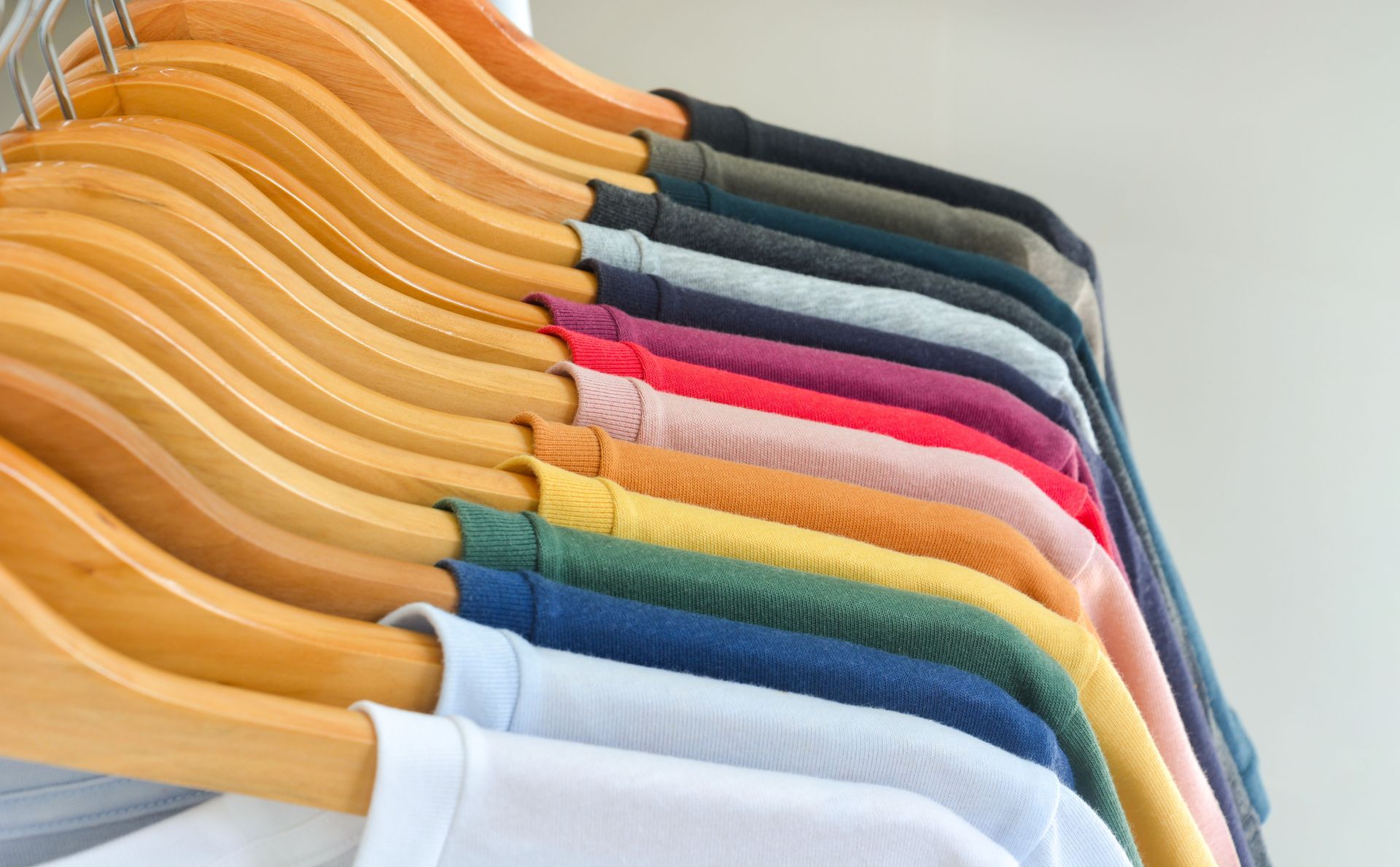
One of the biggest mistakes to avoid when choosing custom Tshirt printing is selecting the wrong fabric for your needs. The shirt itself matters just as much as the printed design. Cotton, polyester, tri-blends, and performance fabrics all feel different, wear differently, and respond differently to printing methods. A soft cotton shirt may be a good fit for everyday casual wear, while moisture-wicking polyester may work better for athletic events, uniforms, or outdoor promotions.
Fabric quality also affects how long the print lasts. A low-quality shirt may shrink, stretch, pill, or lose its shape after a few washes. Even if the design looks good at first, the overall product can feel cheap if the shirt does not hold up. For business merchandise, team apparel, or event shirts, choosing a durable garment can make a better impression and increase the chances that people will actually wear it.
It is also important to match the shirt material with the right printing method. Some fabrics work better with screen printing, while others are better suited for dye sublimation, heat transfer, or direct-to-garment printing. According to Gitnux, digital printing is offered by approximately 70% of screen printers, but that does not mean it is the right option for every fabric or project. Choosing material without considering the print method can lead to poor ink adhesion, dull colors, or a design that wears out too soon.
Picking a Printing Method Without Understanding the Project
Another common mistake in custom Tshirt printing is choosing a printing method without thinking about order size, design complexity, fabric type, and budget. Screen printing is often a strong choice for bulk orders, especially when the design uses fewer colors. It can create bold, long-lasting results, but it may not be cost-effective for very small orders or highly detailed, full-color artwork.
Direct-to-garment printing can be useful for detailed designs, smaller batches, and artwork with many colors. However, it may require specific fabric types and proper pre-treatment to produce the best results. Heat transfer printing can be flexible and affordable for certain projects, but if it is not applied correctly, the design may crack, peel, or feel heavy on the shirt.
Before placing an order, it helps to ask which method is recommended for your artwork, shirt material, quantity, and intended use. A good printing provider should be able to explain the pros and cons of each option. Choosing based only on price can lead to results that do not fit your goals.
Using Low-Quality Artwork
Poor artwork quality is one of the fastest ways to ruin a custom Tshirt printing order. A design that looks fine on a phone or computer screen may not print clearly on fabric. Low-resolution images can appear blurry, pixelated, or uneven once enlarged. This is especially common when people use screenshots, small web images, or files that were not created for printing.
Before ordering custom shirts, make sure the design file is the right size, resolution, and format. Vector files are often preferred for logos and clean graphics because they can be scaled without losing quality. High-resolution PNG, PDF, EPS, or AI files may also work depending on the printer’s requirements. If your artwork includes fine lines, small text, gradients, or detailed images, it is worth confirming that those elements will print clearly.
It is also a mistake to overcrowd the design. Too much text, too many graphics, or poor spacing can make the shirt hard to read and less visually appealing. A clean design with strong contrast and proper placement often works better than a crowded design that tries to include too much at once.
Ignoring Color Differences Between Screens and Printed Shirts
Many people are surprised when the colors on the finished shirt do not look exactly like the colors on their screen. This is a common issue in custom Tshirt printing because digital screens and printed materials use different color systems. A bright color on a monitor may appear softer, darker, or slightly different once printed on fabric.
Fabric color can also affect the final appearance of the design. A logo that looks bold on a white shirt may not stand out on a dark gray, navy, or black shirt. Some ink colors need an underbase to appear vibrant on darker fabrics. Without proper color planning, the design may look faded or difficult to read.
To avoid this mistake, ask about color matching, mockups, and proofing before production begins. If brand colors matter, provide exact color information when possible. A proof or sample can help you catch color concerns before the full order is printed.
Forgetting About Shirt Sizing and Design Placement
Design placement is another detail that is easy to overlook when planning custom Tshirt printing. A design that looks centered on one shirt size may appear too low, too high, or too large on another size. This is especially important when ordering a wide range of sizes, from youth sizes to adult 3XL or larger.
Logo size, chest placement, back placement, sleeve printing, and pocket-area designs should all be reviewed carefully. A design that is too large can look overwhelming, while one that is too small may not be noticeable. The goal is to create a balanced look that works across the full order.
Shirt sizing should also be considered before ordering. Different brands and styles can fit differently. Some shirts run slim, while others have a relaxed fit. If the shirts are for employees, event attendees, students, or customers, choosing the wrong fit can lead to discomfort and unused apparel. Reviewing size charts or ordering samples can help prevent this issue.
Choosing custom Tshirt printing involves more than picking a design and selecting a shirt color. The most common mistakes usually come from rushing the process, overlooking material quality, using poor artwork, choosing the wrong print method, ignoring color differences, or failing to review proofs. Each detail plays a role in how the finished shirt looks, feels, and lasts.
By planning ahead and asking the right questions, you can avoid disappointing results and get custom shirts that match your goals. Consider the shirt material, print technique, artwork quality, sizing, placement, timeline, and care instructions before approving your order. When those details are handled properly, custom Tshirt printing can produce apparel that looks professional, feels comfortable, and makes a lasting impression. Call Shirt Stop today for more.