June 29, 2026
Team apparel works best when it goes beyond simple branding and becomes something people genuinely want to wear. Well-designed custom shirts help unify groups, improve visibility, and create a shared sense of identity across teams, events, and organizations. When the design is intentional, it also becomes a lasting reminder of the experience itself, often connected to milestones, shared effort, and moments that define the group experience over time.
Strong custom shirts also play a practical role in improving group cohesion and recognition. They make it easier for members to identify one another in busy environments, support a more organized presence at events, and reinforce a consistent visual identity that others can easily remember. When done well, they strike a balance between functionality and meaning, serving both operational and emotional purposes for the team.
This guide explores practical and creative ways to design team shirts that feel meaningful, comfortable, and visually strong. Each approach focuses on building connection, improving recognition, and ensuring the final product reflects the people wearing it, both in style and purpose. The goal is to help teams create apparel that feels natural to wear while still communicating identity, unity, and shared intent in a clear and lasting way.
1. Building the Connection
Matching apparel creates an immediate sense of unity. When everyone wears the same design, it visually reinforces that they are part of the same group working toward a shared goal. That shared identity helps break down barriers and encourages collaboration from the start.
Strong team connection also comes from personalization. Adding small details such as slogans, dates, or internal references makes the design feel more relevant to the group. These details turn standard custom shirts into something that feels personal rather than generic. Over time, these shirts often become tied to positive experiences. People keep wearing them because they remind them of teamwork, milestones, and shared success.
2. Showcasing the Personality
Every team has its own style, and apparel should reflect that identity clearly. Some groups lean toward minimal and professional designs, while others prefer bold graphics and expressive layouts. Choosing a direction that matches the group’s energy ensures the final product feels authentic.
According to Grand View Research, the global custom T-shirt printing market was valued at approximately $5.16 billion in 2024 and is expected to grow to nearly $9.82 billion by 2030, reflecting a steady compound annual growth rate of about 11.5% between 2025 and 2030. This ongoing expansion is driven by sustained demand for personalized apparel across businesses, events, and organizations, where custom designs are increasingly used to strengthen branding and improve engagement. The trend highlights how custom shirts have evolved into a widely adopted tool for identity-building rather than just promotional merchandise.
Design choices such as typography, illustration style, color palette, and overall layout should all work together to reflect the team’s personality in a clear and cohesive way. When these elements are aligned properly, the final shirt feels intentional, unified, and professionally designed rather than randomly assembled.
3. Choosing the Colors
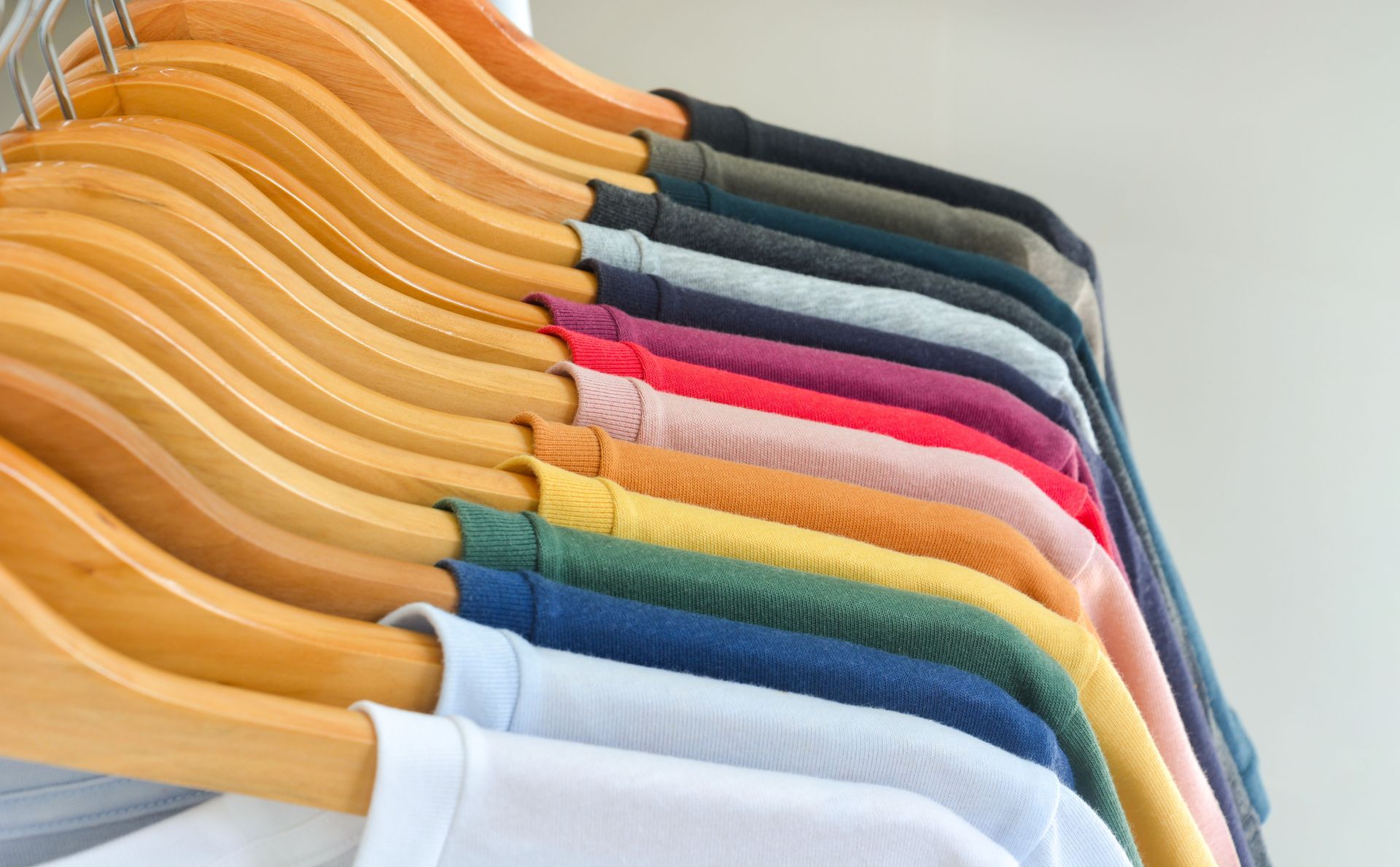
Color selection plays a major role in how a team is perceived. Bright tones can communicate energy and excitement, while darker or neutral shades often suggest professionalism and structure. Selecting colors that align with your identity helps strengthen recognition and consistency.
Visibility is also important in group settings. Coordinated custom shirts make it easier to identify team members at crowded events, improving communication and coordination. This practical benefit often gets overlooked but becomes very valuable in real-world use. Color should also be considered from a comfort and usability perspective. Some environments benefit from lighter fabrics for heat control, while others require darker tones for durability and stain resistance.
4. Selecting the Materials
Comfort is a major factor in whether people actually wear team apparel beyond the initial event. Soft cotton blends remain popular because they balance comfort, breathability, and durability. When people feel good wearing a shirt, they are far more likely to keep using it.
Performance fabrics offer additional benefits for active or outdoor environments. Moisture-wicking materials help regulate temperature and maintain comfort during long or physical events. Choosing the right material ensures the shirt performs well in its intended setting. Durability also matters for long-term use. High-quality fabrics maintain both structure and print quality after repeated washing, extending the lifespan of the design.
5. Adding the Creativity
Creative elements are what transform basic apparel into something memorable. Simple additions like custom graphics, symbolic imagery, or meaningful text can significantly increase emotional value. These details help the shirt tell a story rather than just display branding.
Layered design approaches often work well, combining front logos with larger back graphics or subtle sleeve details. This creates visual interest without overwhelming the overall design. The goal is to create something people notice more than once. Limited-edition designs tied to events or milestones can also increase engagement. These shirts often become keepsakes because they represent a specific moment in time.
6. Encouraging the Participation
Involving the team in the design process improves both creativity and engagement. When people contribute ideas or vote on designs, they feel more connected to the final product. That sense of involvement increases the likelihood that they will wear the shirt regularly.
Group input also leads to more balanced designs. Different perspectives help ensure the final product reflects the entire team rather than a single viewpoint. This makes the shirt more widely accepted and appreciated. Simple participation methods such as surveys, polls, or open brainstorming sessions can make a meaningful difference in both design quality and team satisfaction.
7. Strengthening the Recognition
Coordinated apparel improves visibility in both professional and public environments. Matching custom shirts make it easy for others to identify your group instantly, which is especially useful at conferences, community events, or large gatherings.
Recognition also supports internal organization. Teams can locate each other quickly in crowded spaces, improving communication and efficiency. This is particularly helpful in fast-moving environments where coordination matters. Beyond logistics, recognition builds familiarity over time. Seeing consistent designs across different settings helps people remember your team more easily and associate it with professionalism and structure.
8. Reinforcing the Experience
Team apparel often becomes more valuable after the event than during it. Shirts act as physical reminders of shared experiences, making them powerful tools for memory and connection. People often associate them with achievements, milestones, or meaningful group moments.
These emotional connections strengthen team identity over time. Even simple designs can carry meaning when they are tied to positive experiences. This is why custom shirts are often kept long after they were first worn. They also contribute to long-term culture. Wearing them casually after the event continues reinforcing group identity and shared history, extending the impact well beyond the original purpose.
Effective team apparel blends design, comfort, and meaning into a single product that people actually want to wear on a regular basis, not just during events or scheduled activities. When thoughtfully created, it strengthens group identity by giving teams a shared visual marker, improves recognition in both internal and public settings, and preserves shared experiences in a lasting, tangible way that continues long after the original moment has passed. Strong custom shirts go beyond branding by reinforcing connection, supporting team cohesion, and becoming part of the team’s ongoing story through repeated use, shared memories, and consistent association with meaningful experiences over time.
This combination of function and sentiment is what makes well-designed apparel valuable for teams, organizations, and event groups. It creates something that is both practical in the moment and meaningful in hindsight, helping reinforce culture while also providing a consistent visual identity that people recognize and relate to. To create high-quality designs that bring your team together, work with Shirt Stop to develop apparel that reflects your identity, supports your goals, and delivers lasting value beyond the initial design.